Most Caribbean islands sell you a beach. Dominica sells you a mountain, a river for every day of the year, and the quiet feeling that you've arrived somewhere the tourism industry hasn't fully found yet. Locals and visitors alike call it the Nature Isle — and the name is not a marketing invention. It's geology.
Dominica sits on the volcanic spine of the Lesser Antilles, and unlike its flatter, drier neighbors, it wears its volcanic origins openly: nine potentially active volcanoes across an island just 29 miles long, feeding hot springs, sulfur vents, and the extraordinary Boiling Lake — at roughly 200 feet across, the second-largest of its kind on Earth, a flooded fumarole that stays in a constant, unsettled boil. Reaching it requires a full day's hike through the aptly named Valley of Desolation, past steaming vents and mineral-streaked ground that looks more lunar than Caribbean.
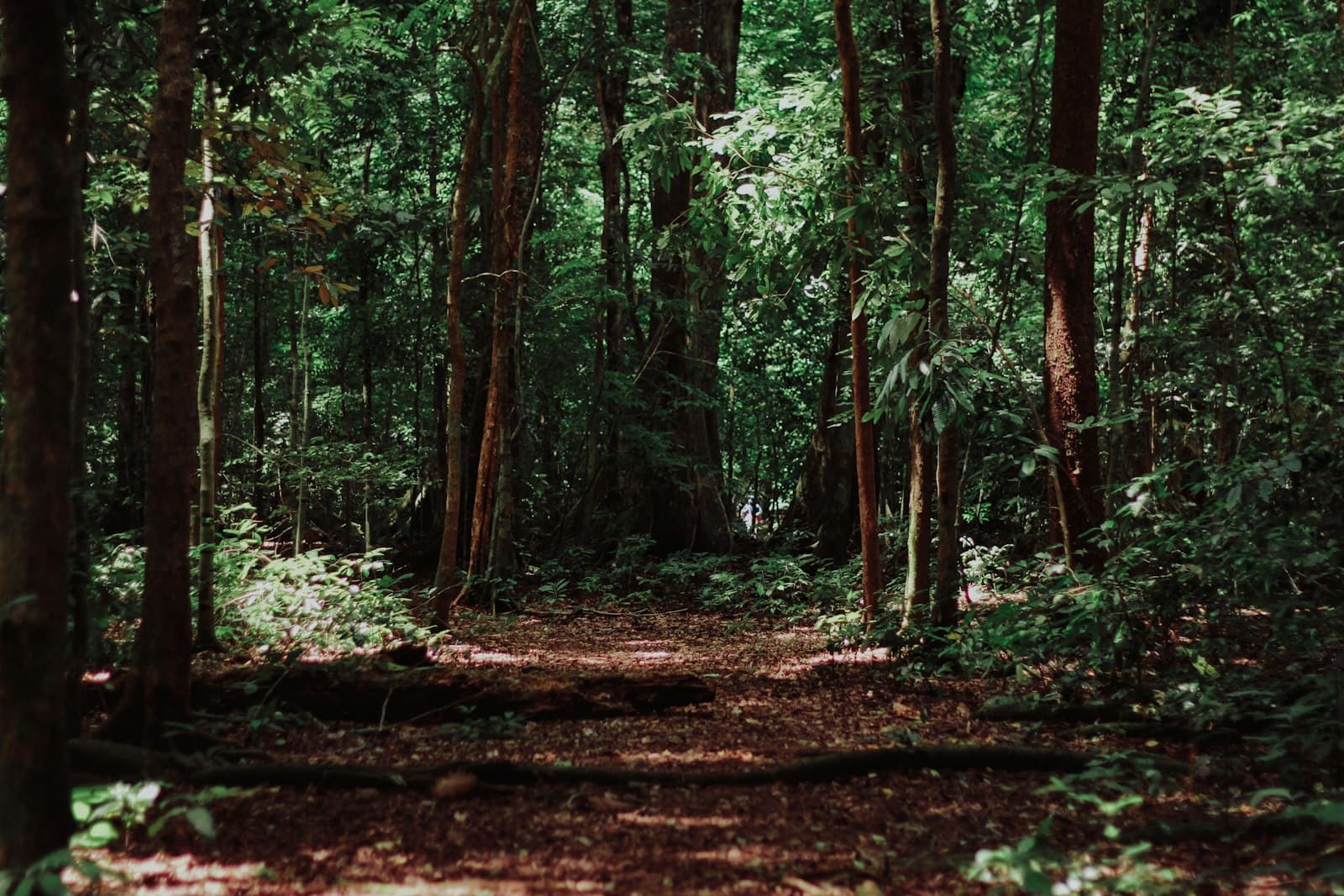
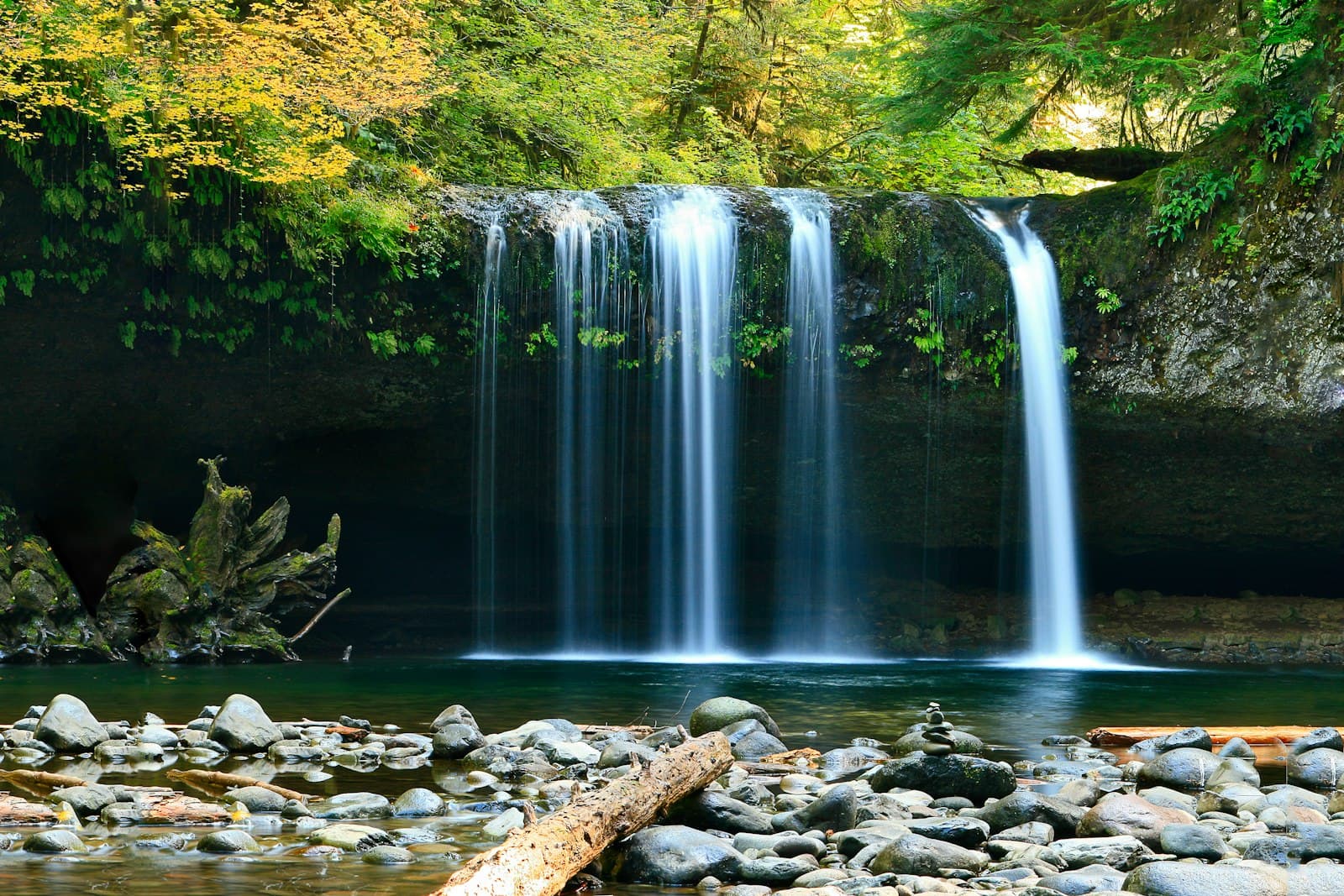
That same volcanic geography is what gives the island its defining feature: water. Dominica is home to 365 rivers, the story goes — one for every day of the year, though nobody has ever needed to verify the exact count to believe it. Waterfalls appear around nearly every bend of the interior roads, rainforest holds moisture like a sponge, and the highest peaks — Morne Diablotins chief among them, at 4,747 feet — pull in weather systems that keep the whole island a deep, saturated green almost year-round.
Much of this terrain is stitched together by the Waitukubuli National Trail, the longest hiking trail in the Caribbean at 115 miles, running the length of the island from the far south to the north. Its name is the original Kalinago word for Dominica itself — "tall is her body" — a fitting description for an island defined by elevation rather than shoreline. The Kalinago, the last surviving pre-Columbian indigenous community in the Caribbean, still live on a protected territory on Dominica's east coast, and their presence is part of why the island's culture feels distinct from its neighbors: less shaped by plantation-era tourism, more rooted in continuity.
That continuity extends to how Dominica has approached development generally. There is no mass cruise-ship infrastructure carved into the coastline, no strip of resort towers competing for beachfront. Dominica gained independence in 1978 and has, in the decades since, leaned into what makes it different rather than smoothing those differences away for easier marketing. The result is an island that rewards travelers willing to hike rather than lounge, to look for a parrot rather than a pool bar.